Lessons from a Dog Trainer
We sat down with dog expert Darren Gill, to discuss what truly makes dogs feel safe, settled and happy when travelling.
With over 35 years' experience working with dogs, Darren brings a rare depth of insight into how dogs think, cope and communicate, particularly in unfamiliar environments like airports, aircraft cabins, or when meeting other dogs for the first time.
After decades of living and working alongside dogs, Darren chose to become an accredited Pet Gundog Instructor, completing an intensive 18-month programme at Warwick University.
"Clear is kind. If you're unclear with your dog, you're being unkind - because they don't know how to please you."
The Foundation of Every Great Dog-Owner Relationship
Dogs thrive when rules are predictable. Clarity and consistency are the most important elements of dog behaviour. Uncertainty is what creates anxiety.
Dogs want to please, but need clear guidance
Inconsistency causes confusion and stress
Calm leadership creates calm dogs
This philosophy underpins everything from daily training to how dogs experience travel.
"Without a doubt, travelling in the cabin is less stressful than the hold."
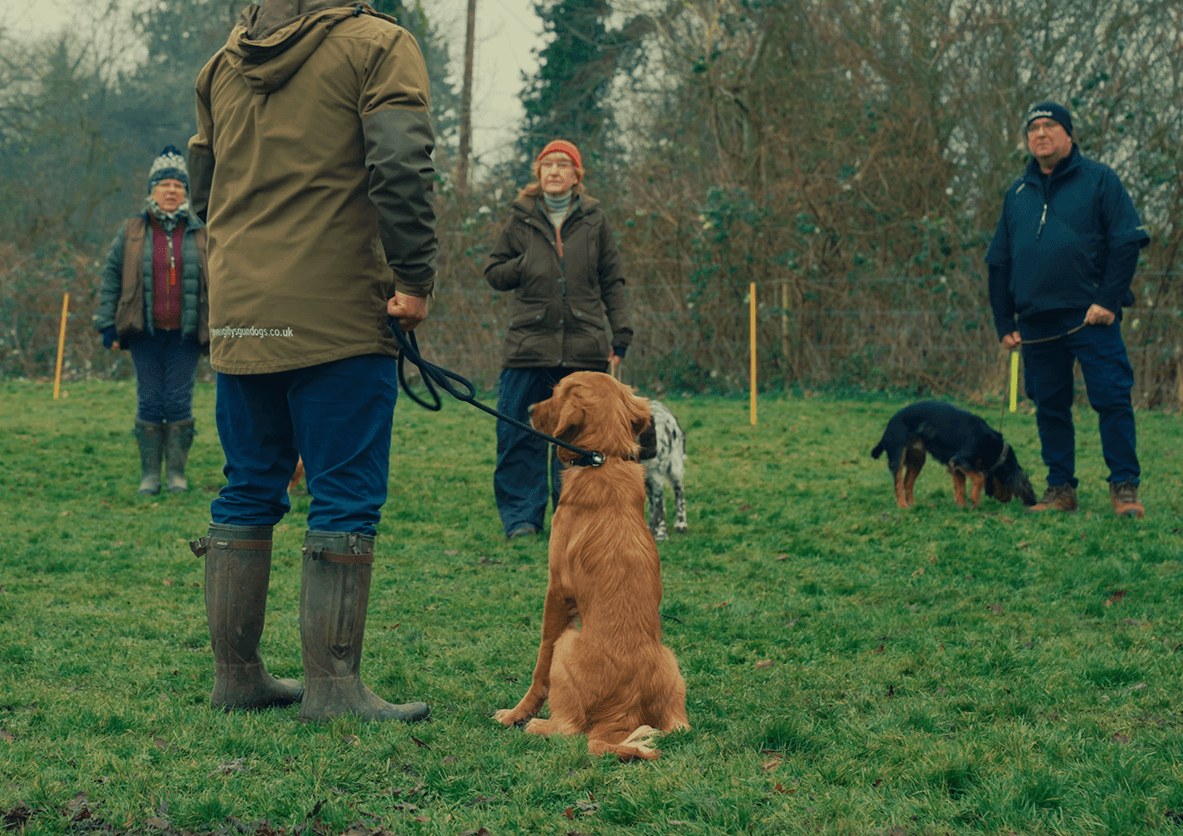
The Benefits of Cabin Travel
A dog expert perspective
The most important part for dogs is often in the simple components, like travelling at their owner or a carer's side. The simple benefits at Vicuna:
Dogs can travel with their owner, their primary source of security
If dogs are travelling solo, they are looked after by a pet trained dog concierge
The environment is calmer, quieter and more predictable than other pet transport methods
With a pet trained crew, any stress can be noticed and managed in real time
Travelling with Calm Dogs, and Helping Anxious Dogs Travel
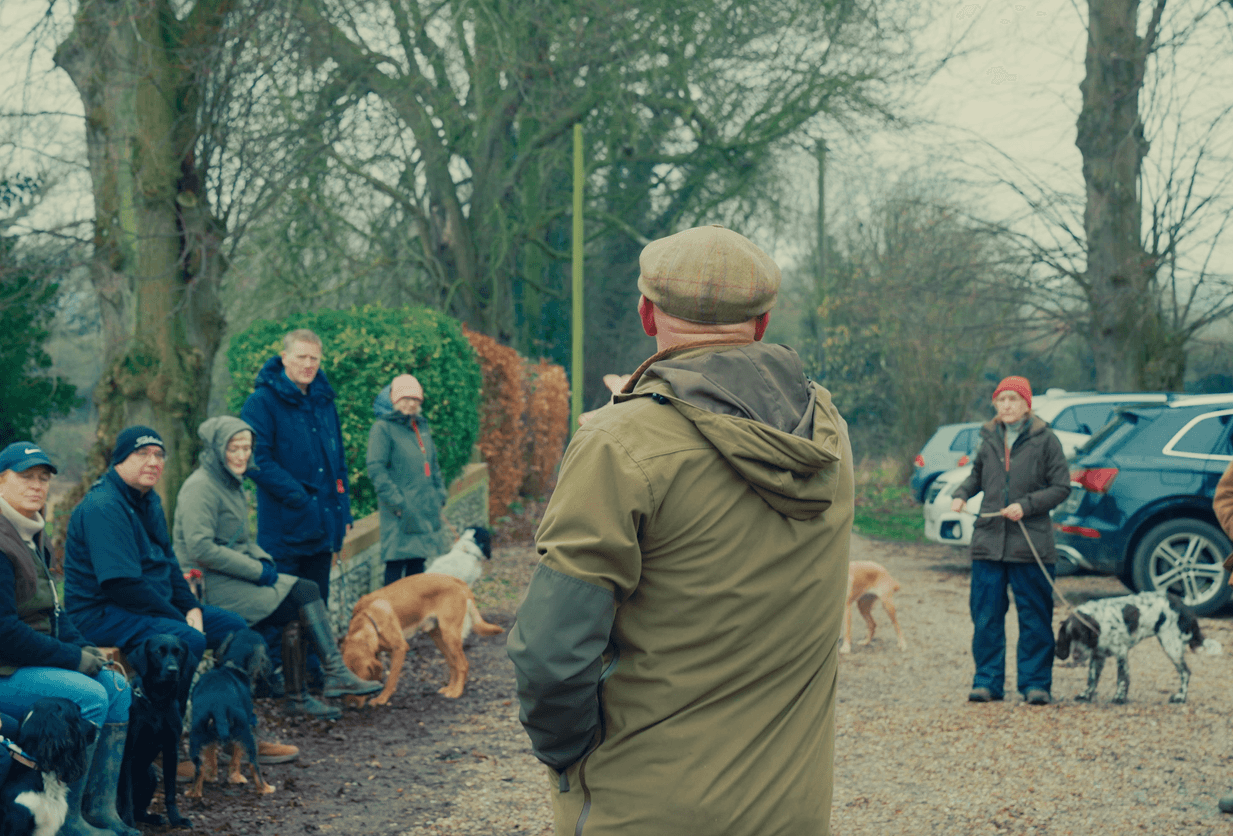
One of the most counter-intuitive lessons Darren shares is: don't over fuss. Excessive reassurance can counterintuitively increase anxiety. Dogs read our behaviour closely, so modelling calmness helps our pets be calm too.
Offer quiet reassurance, not constant touch.
Allow dogs to settle and rest.
Darren works with anxious dogs daily. According to Darren, anxiety is often unintentionally reinforced. Instead, Darren recommends:
Empathy, not over-sympathy
Calm presence, not constant reassurance
Gradual exposure, not avoidance
"The more relaxed you are, the better your dog will be."
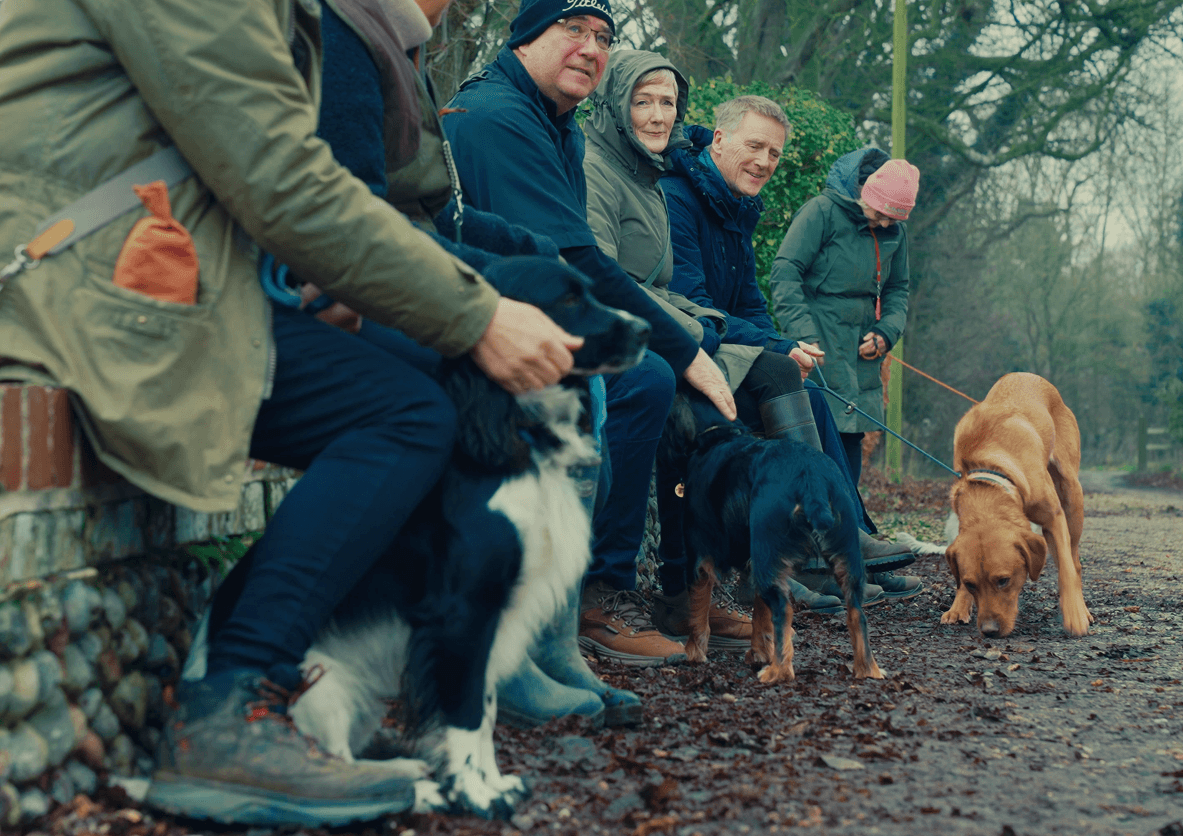
Socialisation - What It Really Means
Before every Vicuna Air flight, the dogs get to meet each other for some pre-flight socialisation. This is so they can get to know each other, for us to place them in the most suitable place on the plane, and for all pets to feel as relaxed and at ease in their environment as possible.
Darren's recommendations for pre-flight socialisation
Keep dogs on leads in new environments
Allow them to observe the world from a distance first
Avoiding forced interactions - if they want to keep themselves to themselves that is fine too
According to Darren, the most important moment for a dog's enjoyment of any shared journey happens before boarding when the pets first meet each other. The meet-and-greet sets:
A calm, well-managed introduction prevents issues later, just as good classroom seating at school can help disruption!
Preparing Dogs for Long Journeys
Preparation doesn't just begin on travel day, you can start preparing your pet for calm travel weeks before.
Darren says dogs often associate vehicles with excitement and activity. This means that to prepare a dog for long-haul travel, it can be helpful to break this association. Darren recommends:
Let dogs rest in cars calmly, without the car moving
Increase the length of time gradually each time